
Bidding, Submitting, and Installing
Welcome to the final stop in the 9Wood Field Guide.
This stop brings together three closely connected phases of working with 9Wood: bidding, submittals, and installation. Bidding may occur more than once as the design evolves and budgets are refined. Once a design is ready to move forward and a proposal is approved, the project moves from design into execution.
Wherever you are within these phases, this section provides the resources needed to help ensure accurate budgeting, clear alignment across all parties, and a smooth installation process.
Before moving forward, take a moment to orient yourself.
Why You’re Here
At this stage, the job is shared by contractors and the design team. Your role is to move the project forward with clarity, coordination, and confidence:
- What information does 9Wood need in order to quote a project?
- What costs are associated with 9Wood ceilings and walls?
- How do you read a 9Wood proposal and what is included in it?
- What scope and materials are not included, and who is responsible for it?
- What timelines should be expected for procurement and delivery of 9Wood products?
- Once pricing is approved, what are the next steps for submittals and approvals?
- What should designers look for when reviewing submittals?
- How are design changes managed during the submittal process?
- What should be considered during installation, including field conditions and sequencing?
- What defines a successful punch walk?
This final stop helps ensure that the intent established in design is carried out through bidding and installation, resulting in a successful project outcome.





5
Bidding, Submitting,
and Installing
4 min read
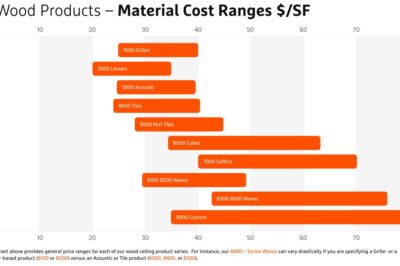
The Ultimate Pricing Guide for Custom Wood Ceilings
“How much does a custom wood ceiling cost?” is one of the first questions architects and contractors want to know when they reach out to 9Wood. Although this is a difficult question to answer in an article, we will do our best to discuss the factors that affect custom wood ceiling pricing. In this guide, …

6 min read
We Are in the Speed Business [PODCAST]
At 9Wood, we take pride in being the leading manufacturer of custom wood ceilings and walls in North America. We sat down with Beth PopNikolov from Venveo on their Smarter Building Materials Marketing podcast, where we shed light on our custom fast program.
4 min read
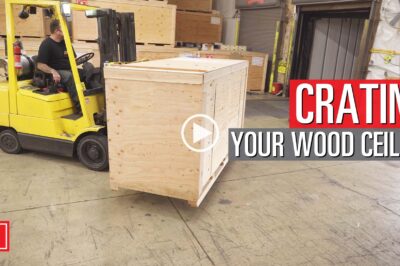
Crating Wood Ceilings the 9Wood Way
A typical wood ceiling order requires anywhere from 2-10 crates. Crates are typically 2-3ft wide, 8-10ft long and weight 500-3000lbs.
 Don’t forget the crackers! We use cookies to offer you a better site experience and to analyze site traffic. Read about how we use cookies in our