
Detailing and Documenting Design
Welcome to the fourth stop in the 9Wood Field Guide.
You have made your design decisions. Now the focus shifts to communicating them clearly so the design can be accurately understood, priced, and built.
This stop is about translating intent into documentation. It brings together drawings, details, and specifications into a coordinated set of information that others can rely on.
Before moving forward, take a moment to orient yourself.
Why You’re Here
At this stage, the job belongs to the architect and designer. Your role is to clearly communicate the design so it can be executed without confusion or risk:
- How should wood systems be represented in RCPs, elevations, and floor plans?
- What tools are available to quickly communicate these products in 2D and 3D views?
- How are perimeters, fixtures, and access conditions detailed?
- What needs to be included in the specification section?
- What risks need to be addressed through documentation?
- What are contractors and 9Wood looking for in a complete drawing set?
- What supporting materials are needed to fully communicate the design, such as acoustic tests and HPDs?
This section equips you with the tools and guidance to produce a complete, coordinated set of documents that support accurate pricing, submittals, and construction.





4
Detailing and
Documenting Design
4 min read
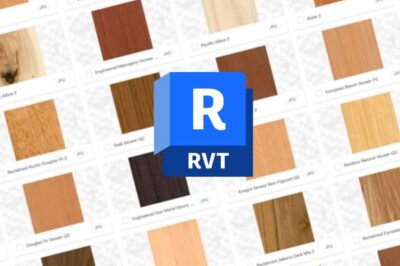
Introducing 9Wood Revit Models
This week 9Wood published 450 Revit models of our most popular wood ceiling products. Manufacturing custom fast wood ceilings means design freedom for architects and designers, with resources like Revit delivered promptly.
4 min read
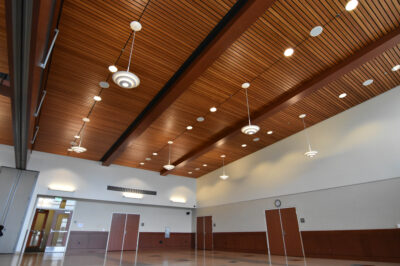
Lighting Integration in Wood Ceilings
Light fixture selection and integration is a key feature in any space. But how is it accomplished? Can I put lights in any ceiling? How are they installed? Where should I hang the fixtures from? All these questions and more require thoughtful planning and coordination. It’s no secret that lighting can make or break a …
8 min read
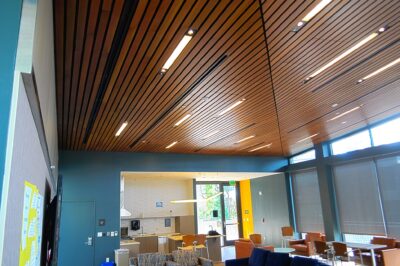
What is Critical Lighting?
We’ve all noticed the first ding in our new car. At first, you don’t see it when looking straight on. But at just the right angle that dent is very, very noticeable. Or place a glossy magazine cover next to a piece of matte printer paper. Take a step back and look across the plane of both. The magazine …
 Don’t forget the crackers! We use cookies to offer you a better site experience and to analyze site traffic. Read about how we use cookies in our