
Specifying – Meeting Performance Requirements
Welcome to the second stop in the 9Wood Field Guide.
At the first stop, discovery led the way. You explored form, materiality, and the role a ceiling or wall might play in shaping experience. This stop builds directly on that foundation by turning attention to the conditions every project must respond to, including geographic, structural, regulatory, and operational considerations.
These conditions define the environment in which design succeeds.
Here, the perspective shifts slightly. Rather than focusing on what you need to decide next, this stop asks a more grounding question:
What jobs does the proposed system need to do in order to belong in this building?
While these requirements are often seen as the most daunting part of the journey, this stop is designed to make them navigable. The functional needs you surfaced earlier are translated into clear, sequential considerations that guide selection. These are realities you respond to. When they are understood early, they stop feeling like obstacles and begin to function as guardrails.
Before moving forward, take a moment to orient yourself.
Why You’re Here
At this point in the design process, your role shifts from open exploration to informed evaluation. The job is to define the performance requirements the proposed system must meet:
- What geographic conditions must the system perform within?
- What life safety and code requirements must it meet?
- How does the system attach to the building?
- How will it integrate with MEP systems?
- When and how can wood contribute to acoustic performance?
- What sustainability and sourcing requirements apply?
- How do you explain these factors clearly to clients and collaborators?
By framing these as jobs the system must perform, this section helps you evaluate options based on the performance criteria they must satisfy.
2
Specifying – Meeting
Performance Requirements
6 min read
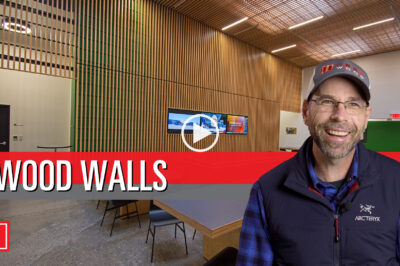
Custom Wood Walls in Commercial Architecture
Walls are a separate surface and there are unique factors. In today’s video we’re talking with Nathan Pfieffer, a project engineer, about those factors and things you should be aware of in your design.
4 min read
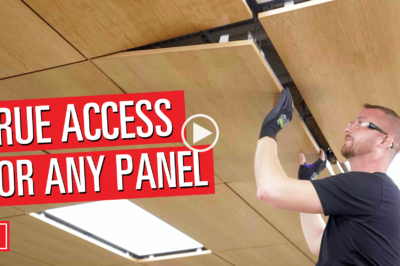
The Most Accessible Wood Ceiling
Accessibility and dropped wood ceilings are a classic conflict because you have your mechanical systems, HVAC, lighting, and electrical, and then you cover it all up with highly custom decorative wood products. With ceiling accessibility, you must think about the damage over time, whether you’re the designer or the facilities person taking a panel down. Because …
4 min read
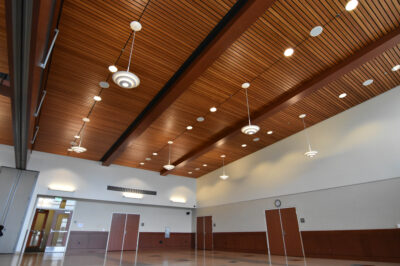
Lighting Integration in Wood Ceilings
Light fixture selection and integration is a key feature in any space. But how is it accomplished? Can I put lights in any ceiling? How are they installed? Where should I hang the fixtures from? All these questions and more require thoughtful planning and coordination. It’s no secret that lighting can make or break a …
 Don’t forget the crackers! We use cookies to offer you a better site experience and to analyze site traffic. Read about how we use cookies in our